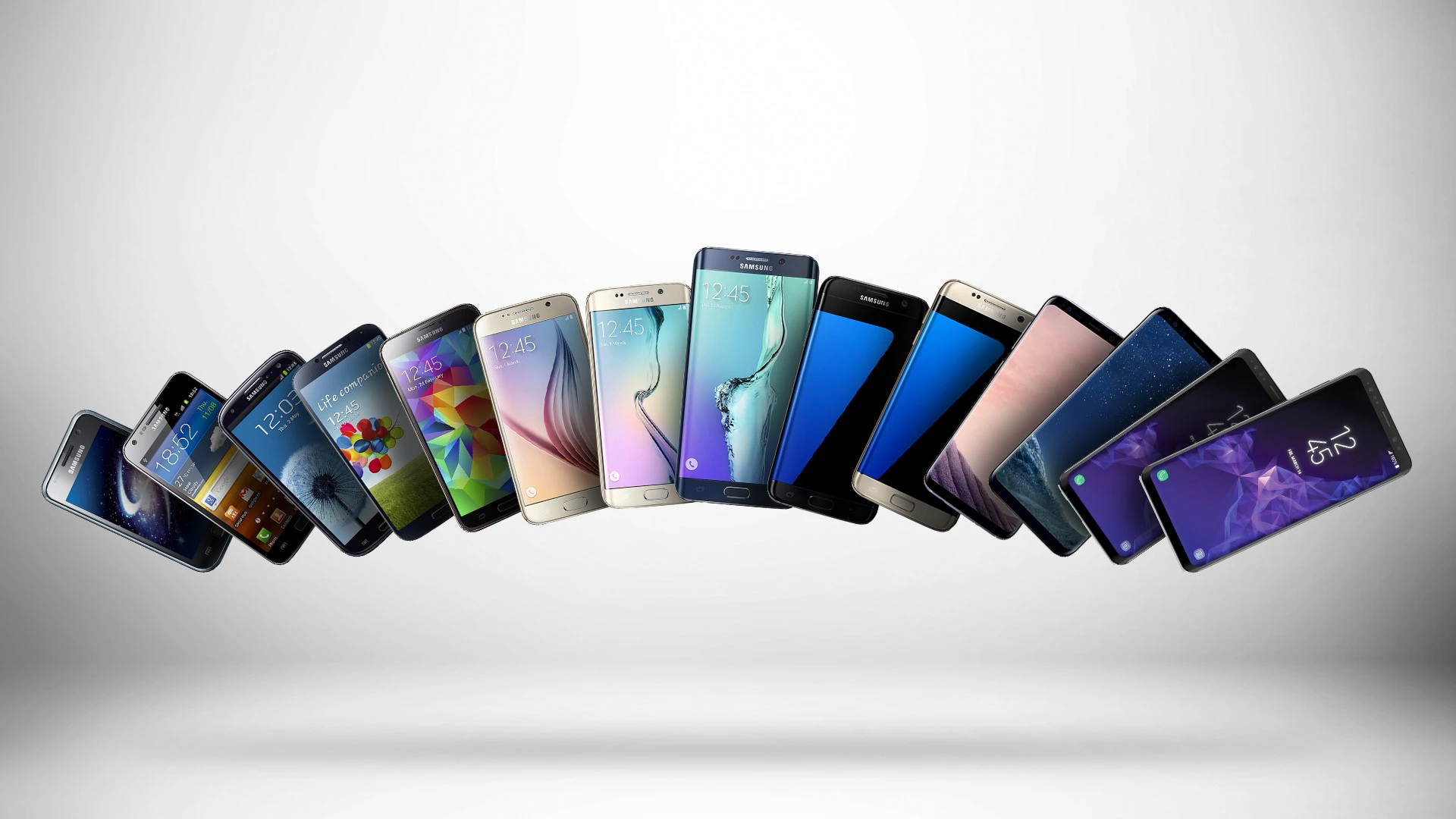

The only guide you need before buying your next phone.
If there’s one thing Indian smartphone buyers never compromise on, it’s value for money. Whether you’re upgrading your daily driver, switching from Android to iPhone, or looking for a reliable pre-owned gem, 2026 is shaping up to be one of the best years to buy smart.
But with so many launches and even more pre-owned options, the question is obvious:
Which phones truly deliver the best performance, features, and long-term value for your money?
This updated 2026 list includes both brand-new phones and premium pre-owned picks, because modern buyers want a mix of both. And honestly, that’s where the real savings are.
So let’s dive into the phones that actually deserve your money this year—no hype, no bias, just honest insights.
While the world chases the latest iPhone, the value hunter silently picks up the iPhone 14 Pro. It still delivers:
In the pre-owned market, it often sells for half the price of the latest model, yet performs almost identically for everyday users. If you want prestige + performance without burning a hole in your pocket, this is the sweet spot.
OnePlus nailed it with the 12 series. Smooth OxygenOS, flagship-level cameras, and unbelievable battery optimization make it a dream for users who want performance without overheating.
Why it’s value for money:
Ideal for heavy users and power professionals.
The FE lineup has always been about bringing flagship DNA to a more affordable price. The S23 FE continues that tradition.
Top reasons to buy:
If you're someone who loves Samsung’s premium experience but not the S Ultra price tag, this is your model.
The iPhone 13 is aging like fine wine. Its A15 chip still beats many mid-range Android phones launched today. For buyers entering the Apple ecosystem for the first time, this is the ideal starting point.
Value factors:
In pre-owned condition, it’s a no-brainer for students and working professionals.
No list of value phones is complete without a Pixel. The Pixel 8 offers unmatched natural photography, reliable AI features, and clean software.
Why it stands out:
Perfect for creators, social media lovers, and anyone who prioritizes camera quality over everything.
Realme has matured massively, especially in the premium-midrange space.
Highlights for 2026 buyers:
If you want raw performance at a price that doesn't scare your bank, GT 6 Pro is your match.
Surprisingly, the S22 Ultra is still dominating the pre-owned flagship market. Samsung’s premium materials, high-end camera zoom, and S-Pen functionality make it extremely future-proof.
Why pre-owned is a win:
You get a premium phone that originally cost over ₹1 lakh… now at almost 40–50% less.
For users who multitask heavily, love the S-Pen, or want a flagship camera system without overpaying, this is perfect.
Not everyone likes giant screens. The iPhone SE 3 is for users who want a compact, powerful, reliable phone under a budget.
Why it’s still relevant:
Ideal for minimalists, elderly users, and people who prefer smaller phones for daily use.
Vivo has quietly become the favourite among people who love vlogs, reels, and selfies. The V30 Pro delivers flagship-level camera features for half the price.
Why creators love it:
This is the best value-for-money smartphone for influencers who don’t want to invest in an iPhone yet.
Nothing has built a cult following with transparent design and clean software. The Phone 2 is not just eye-candy—it’s genuinely reliable.
Why it’s worth buying:
For users who want tech with personality, this is the pick.
Here’s a quick breakdown based on real user needs:
Google Pixel 8 • Vivo V30 Pro
Realme GT 6 Pro • OnePlus 12
iPhone 13 (Pre-Owned) • iPhone SE
iPhone 14 Pro (Pre-Owned) • S22 Ultra (Pre-Owned)
Samsung S23 FE • iPhone 14 Pro
Nothing Phone 2
A few years ago, Indian buyers hesitated to buy pre-owned. Today, that mindset has completely shifted—and for good reasons:
In short, 2026 is the year when buying smart is better than buying new.
Here’s the truth:
The “best” phone is not always the latest one—it’s the one that gives you maximum value for your money.
If you want flagship performance without the flagship bill, go pre-owned.
If you want the latest features and long-term updates, go new.
But if you want the best of both worlds, choose wisely from this list.
Every phone above is handpicked to offer performance, reliability, and long-term value, ensuring you never regret your purchase.
Smarter checks for a new generation of smarter phones.
Buying a pre-owned smartphone used to feel like a gamble. You either got a great deal—or ended up with a device that barely made it through the day. But in 2026, the story has changed. Pre-owned phones now go through stricter testing, buyers are more informed, and smartphone technology has evolved so much that even a two-year-old flagship can outperform brand-new mid-range devices.
Still, whether you're picking up a pre-owned iPhone 14 Pro, a Galaxy S22 Ultra, or a mid-range Android, performing the right inspection is crucial. Today’s smartphones come with advanced AI chips, upgraded camera sensors, stronger security features, and more complex battery behaviour, so your checklist needs an upgrade too.
Here’s the definitive 2026 buyer checklist to help you evaluate any pre-owned smartphone like a pro.
Before diving into hardware and software diagnostics, start with a visual inspection.
Look for:
Real-world tip:
If you’re buying an iPhone, check the area around the charging port. Excessive scratches usually indicate heavy usage and frequent drops.
Remember, minor wear is fine. Heavy physical damage is not—no matter how “good the deal” seems.
Battery health was always important, but in 2026 it’s critical. Modern phones rely heavily on AI engines, high-refresh displays, and intensive computing, which affects long-term battery performance.
Brands like Samsung, OnePlus, and Pixel now offer built-in battery health indicators.
Look for:
Important:
Phones that show repeated overheating warnings or inconsistent battery drain might have suffered internal damage.
Smartphones in 2026 rely heavily on AI-powered tasks:
A phone with a degraded AI engine will feel slow even with a powerful CPU.
Slow or laggy AI processing may indicate chipset degradation or software issues.
Camera systems in 2026 smartphones rely on multiple sensors and AI pipelines. A damaged sensor may still click photos—but with reduced quality.
You can also test low-light performance, which quickly reveals sensor weakness.
Premium phones today offer 120Hz or even 144Hz displays. But if the display has been replaced with a third-party panel, it will feel off.
On iPhone, always check for the “Important Display Message” in Settings, which indicates if the screen was replaced by a non-genuine part.
Smartphones in 2026 heavily rely on on-device AI security, meaning your device processes sensitive data internally rather than on the cloud.
You must ensure these features work:
If biometric security fails repeatedly, internal sensors may be compromised.
Pre-owned phones sometimes suffer from hidden antenna issues.
Run a quick test for:
✔ Wi-Fi range and connection stability
✔ 5G speed test
✔ Bluetooth pairing
✔ NFC tap-to-pay (if supported)
If 5G connectivity keeps dropping, the motherboard may have been previously damaged.
A smartphone may look perfect but still throttle under load due to thermal ageing.
Excessive heating or repeated lag during these tests is a red flag.
Never skip this step.
If the IMEI doesn’t match the phone’s box, walk away.
Even in 2026, the seller plays the biggest role in your experience.
Choose sellers who:
A trustworthy seller matters more than the model you’re buying.
Buying a pre-owned smartphone in 2026 is one of the smartest financial decisions you can make—if you know what to look for. With the rise of AI features, better camera systems, advanced security, and complex performance metrics, today’s buyers need a more refined checklist.
Use this guide before making your purchase, and you’ll walk away with a phone that lasts long, performs well, and delivers real value without the “new device” price tag.



You need to Sign in to view this feature

This address will be removed from this list
 english